



A packed Bengaluru café can have hundreds of people passing its window and still struggle to fill its tables if no one understands what makes it worth entering. A large follower count creates a similar illusion. It shows that people have noticed the brand, but it does not reveal whether they trust it, remember it or intend to buy.
Social Media Marketing turns attention into commercial value by helping a business reach relevant audiences, build familiarity, demonstrate credibility and create routes to action. It includes far more than posting regularly. The content, community management, advertising, landing experience and sales follow-up need to work as one connected system.
Followers become customers gradually. They may first enjoy a useful post, later watch a product demonstration, read a customer story and only then visit the website or send a message. A strong plan respects this progression instead of expecting every post to produce an immediate sale.
Social Media Creates Demand Before It Captures It
People rarely open Instagram or Facebook with a detailed shopping list. They arrive to discover, learn, connect and be entertained. Brands earn attention by participating in those behaviours while remaining relevant to what they sell.
This is the practical role of social media for business. It introduces the brand to new audiences, gives existing customers reasons to stay engaged and makes products or services easier to understand. It can also surface customer language, objections and interests that inform the wider marketing strategy.
Commercial results improve when teams distinguish between attention and intent. A humorous reel may reach thousands of people, while a detailed carousel may help a smaller but more relevant group evaluate the offer. Both can be useful if they have defined roles in the journey.
Content Needs a Consistent Strategic Job
A Social Media Content Strategy defines who the brand is speaking to, what themes it can credibly own, how each platform will be used and what action different formats should support. Without that structure, a feed often becomes a collection of festival greetings, disconnected trends and repeated product promotions.
Content pillars create focus. A fitness brand, for example, might combine practical education, customer progress, product use, community stories and timely offers. The mix gives audiences value while steadily building understanding of the business.
Consistency matters more than mechanical frequency. A realistic publishing rhythm with clear editorial standards is more useful than daily content produced without a purpose. Each post should contribute to recognition, trust, conversation or conversion.
The Content Mix Should Reflect How Relationships Grow
The 50-30-20 guideline offers one way to balance a social calendar. Approximately 50 percent can deliver useful or educational content, 30 percent can build community and brand personality, and 20 percent can focus directly on promotion. The ratio is not a platform rule; it is a reminder that audiences need more than sales messages.
The exact balance should respond to the category and customer journey. A new entertainment venue may use more community and discovery content, while a B2B service with a longer sales cycle may invest heavily in expertise and proof. Performance data can refine the mix over time.
Promotional content becomes more effective when earlier posts have answered questions and demonstrated relevance. The audience understands what the brand offers before being asked to act.
Seven Qualities Keep Social Communication Strong
A useful planning lens is the seven Cs: content, context, community, connection, conversation, commerce and continuity. Content is the value being shared. Context ensures that it suits the audience, moment and platform. Community gives people a reason to participate. Connection builds relationships across touchpoints. Conversation turns broadcasting into exchange. Commerce creates an appropriate path to business. Continuity keeps the experience recognisable over time.
These qualities work together. Strong content without conversation may feel distant. A lively community without a commercial path may generate engagement without business impact. Commerce without context can make the account feel like a permanent advertisement.
Different Platforms Need Distinct Roles
Successful Instagram Marketing uses the platform’s visual and discovery behaviours deliberately. Reels can introduce an idea quickly, carousels can explain it, Stories can create interaction and direct messages can support high-intent conversations. The profile, highlights and linked destination should then help a new visitor understand the offer.
Facebook marketing may combine community groups, local discovery, event communication, retargeting and paid reach, depending on the audience. It should not simply receive automatic copies of every Instagram post. Format, caption length, audience behaviour and the role of links differ between platforms.
LinkedIn, YouTube and emerging channels require their own decisions as well. The answer is not to be everywhere. Choose platforms where the audience, format and business objective align, then create natively enough that the brand feels present rather than syndicated.
Community Management Builds Trust in Public
Comments and messages are part of the content experience. Timely, informed replies show that the account represents a functioning business rather than a publishing machine. Questions can reveal what the original post failed to explain, while complaints require calm acknowledgement and an appropriate route to resolution.
A response guide can define tone, escalation paths and boundaries without making every reply sound scripted. Teams should know who handles product questions, service issues, sensitive topics and potential leads. This reduces delays while protecting accuracy.
Community participation also supplies future content ideas. Repeated questions can become explainers, customer language can improve copy and positive stories can become proof with permission.
A Funnel Connects Engagement to Revenue
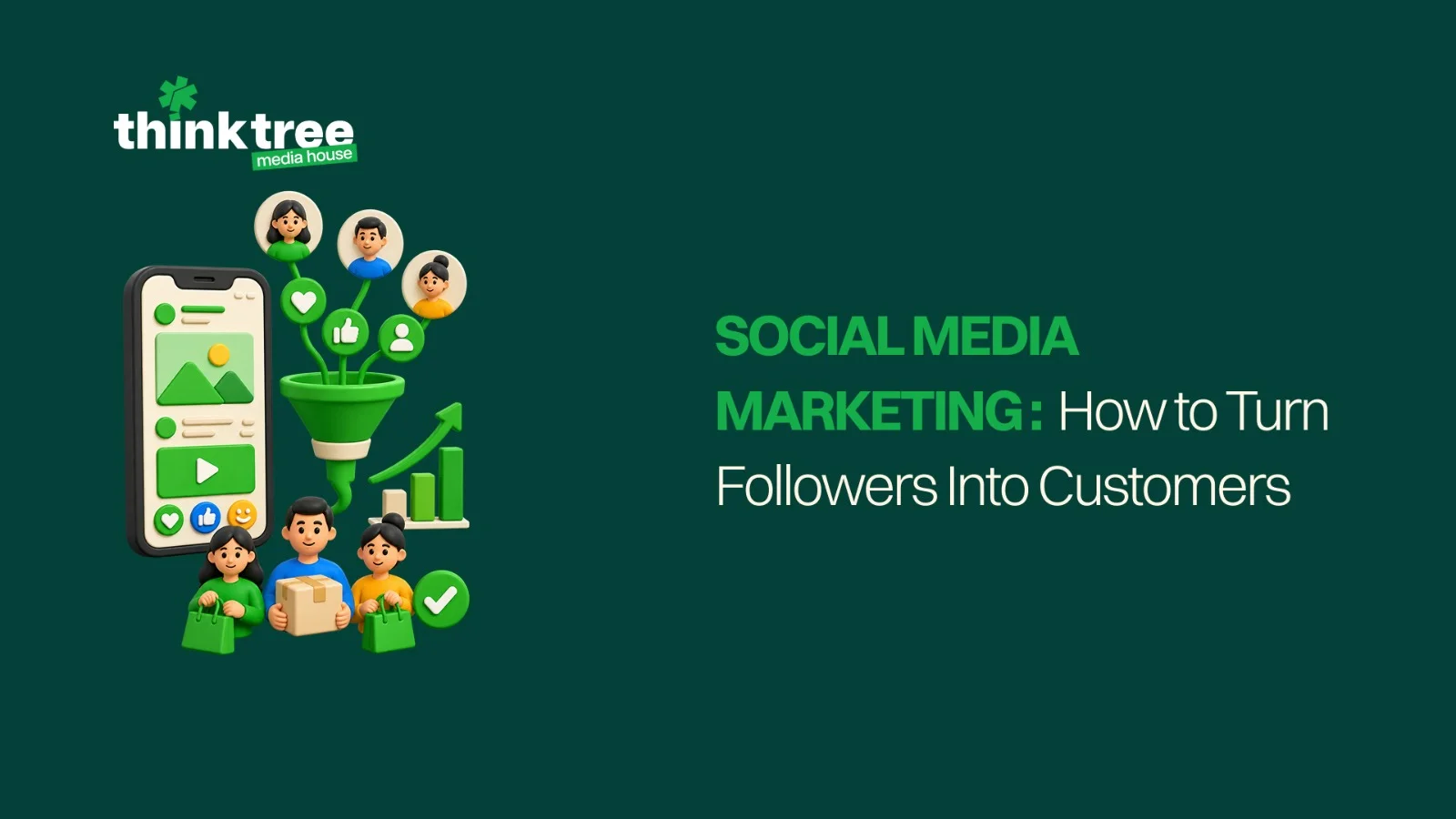
A social media marketing funnel maps how someone progresses from awareness to consideration, conversion and retention. At the top, discoverable content creates recognition. In the middle, demonstrations, comparisons, testimonials and deeper resources help evaluation. At the bottom, clear offers, landing pages and direct conversations help people act. After purchase, support and community content encourage loyalty.
This framework clarifies how to turn followers into customers without forcing every post to close a sale. Each stage needs a suitable action: watch, save, follow, visit, enquire, purchase or return. Calls to action should match the audience’s readiness.
A practical social media lead generation strategy may use downloadable resources, consultation forms, product pages, event registrations or direct-message prompts. The destination must continue the promise made in the post. Sending high-intent traffic to a generic homepage creates friction and weakens measurement.
Paid Media Can Accelerate a Proven Journey
Advertising expands reach and retargets people who have already shown interest, but budget cannot repair an unclear offer. Before scaling, brands should know which audience, message and destination produce useful outcomes.
Creative variations can test different hooks, formats and proof points. Campaign data should connect to landing-page behaviour and qualified results, not stop at impressions or clicks. A low-cost lead is not valuable when the sales team cannot convert it or when the person never intended to buy.
Organic and paid efforts should inform each other. Strong organic themes can become advertisements, while paid campaign questions can reveal content gaps that the brand should address publicly.
The Conversion Experience Begins Before the Click
People carry the expectations created by a post into the next touchpoint. If the visual promotes a specific service, the linked page should open with the same service, language and proof. Mobile speed, clear pricing context and a short enquiry path help preserve the interest the content created.
Sales follow-up matters just as much. Leads arriving through social platforms may need context before a direct pitch, and the responding team should know which campaign started the conversation. When media, landing pages and sales processes share information, customers receive a more coherent experience and the business can identify where genuine opportunities are being lost.
Measurement Should Follow the Business Objective
Reach and engagement help diagnose attention, but they do not tell the complete story. Saves may indicate usefulness, profile visits may show curiosity and direct messages may reveal intent. Website sessions, enquiries, revenue and repeat purchases connect activity to commercial outcomes.
Attribution will not always be perfect. A customer may watch several posts, search for the brand later and purchase through another channel. Using campaign links, platform insights, customer relationship data and sales feedback together provides a more realistic view than relying on one dashboard.
Professional Social Media Marketing Services should turn this evidence into decisions. The team can stop low-value repetition, strengthen formats that assist conversion and allocate resources according to the goals that matter.
At Think Tree Media, social strategy connects brand thinking, content systems, creative execution, media and conversion journeys. That gives each platform a defined role while keeping the customer experience consistent from the first post to the final action.
Conclusion
Effective Social Media Marketing does not treat followers as a number waiting to be monetised. It creates relevant attention, builds trust through useful communication and offers clear next steps when people are ready. A focused content mix, active community, connected funnel and meaningful measurement turn visibility into sustainable value.
If your audience is growing but business results are not following, let us map the missing steps over a Bengaluru filter coffee. Contact Think Tree Media to build a social journey that connects content with customers.
