



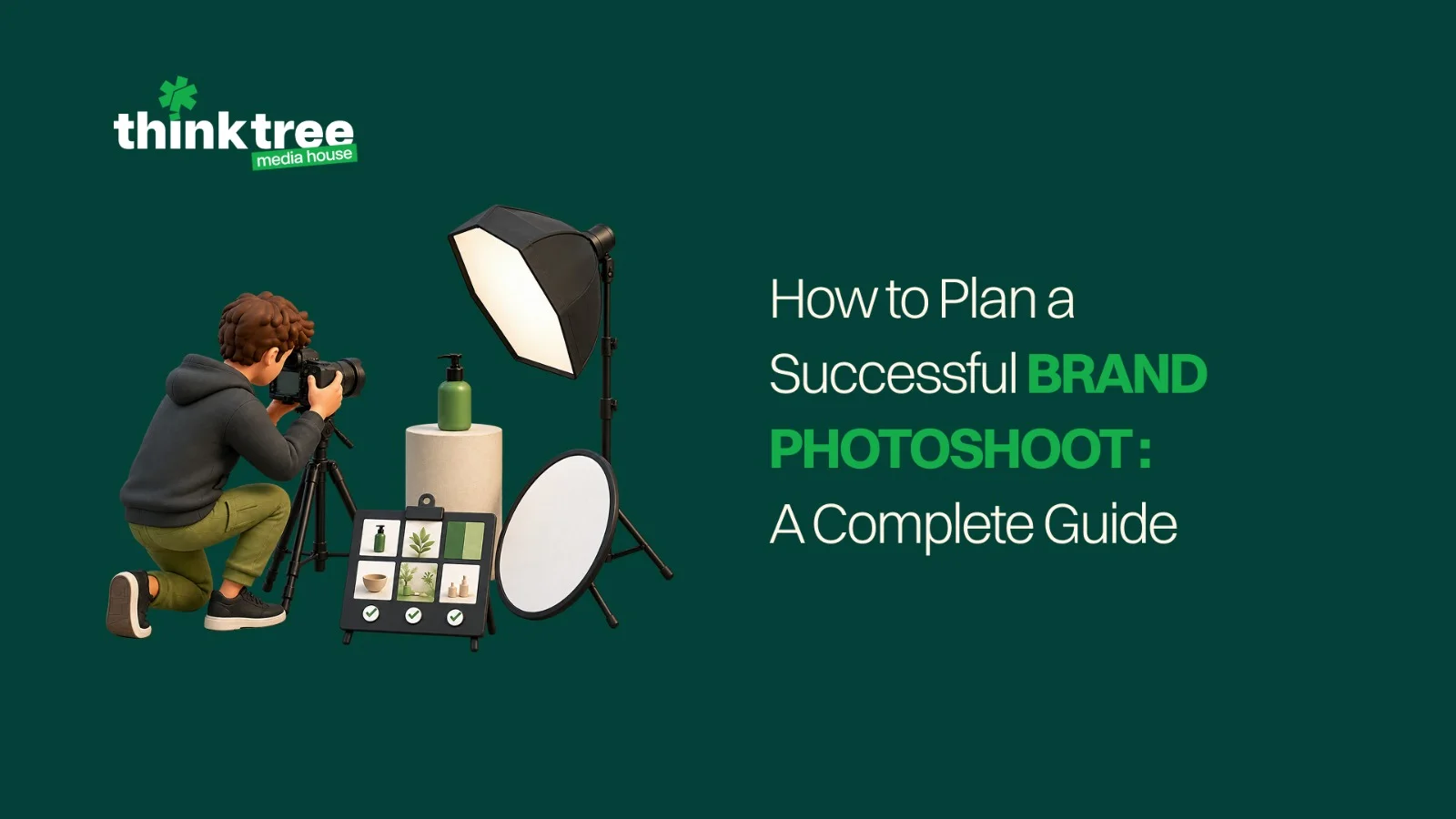
Arriving at a shoot without a clear plan can feel like entering Bengaluru traffic without checking the route. Everyone may be moving, but time disappears quickly and the destination remains uncertain. A photographer waits for direction, products are still being unpacked, the team debates references and the location clock keeps running. The final images may look polished, yet fail to give the business what it actually needs.
A successful Brand Photoshoot begins well before the camera is switched on. It translates positioning, personality and campaign goals into a visual system that people can recognise. That requires strategic preparation, a practical production plan and a clear understanding of where every image will be used.
Begin with the Business Purpose of the Images
The first step in understanding how to plan a photoshoot is defining the problem it needs to solve. A new company may need a foundational image library for its website and presentations. An established brand may be launching a product, entering a new market or refreshing how it appears online. Each situation demands different subjects, formats and levels of production.
Write one primary objective and a small set of supporting outcomes. For example, the main goal may be to launch a new food range, while the supporting requirements include ecommerce images, campaign banners and vertical social assets. This clarity allows the creative and production teams to make decisions against a shared purpose.
Translate Brand Strategy into a Visual Direction
Brand photographs should feel like evidence of the identity, not generic pictures with a logo added later. Define the qualities the audience should perceive: energetic, composed, approachable, technical, playful or material-led. Then translate those qualities into observable choices such as light, colour, casting, composition, styling and location.
A concise creative deck can include the campaign idea, mood references, palette, lighting direction, framing principles, wardrobe, props and examples of what to avoid. References should explain a quality rather than become images to copy exactly. The goal is to build a shared visual language while leaving room for the photographer to contribute expertise.
Build the Deliverables Before Building the Shot List
A shoot becomes easier to control when the team knows exactly what must exist at the end. List every channel that needs imagery: website pages, ecommerce listings, advertisements, social platforms, brochures, marketplaces, PR materials and internal presentations. Each channel has distinct ratios, crops and information needs.
A useful brand photoshoot checklist records the deliverable, subject, orientation, quantity, intended placement and priority. Mark essential frames separately from optional creative experiments. If time becomes limited, the crew can protect the business-critical images before exploring additional ideas.
The shot list should then translate deliverables into scenes. Instead of writing “team photos,” specify a wide workplace image, a leadership portrait, two collaborative moments and individual profile photographs. Instead of “product images,” define front, side, detail, scale, packaging and lifestyle views.
Plan for Crops, Copy and Multiple Screens
A horizontal website banner may need empty space on the left for a headline. A marketplace listing may require a clean square image. A Reel cover must remain readable within a vertical frame and a grid crop. Capturing one composition and expecting it to work everywhere usually creates awkward compromises later.
For a photoshoot for social media, plan vertical, square and detail-led variations during production. Photograph short sequences that can become carousels, and capture transitional or behind-the-scenes moments where appropriate. Keeping future formats visible in the shot list allows the photographer to reframe intentionally rather than relying on aggressive cropping.
Match the Production Approach to the Subject
Different objectives require different teams and setups. A Corporate photoshoot may involve leadership portraits, work environments, facilities and real employee interactions. Scheduling, permissions and employee communication become central because the photographer must work around an operating business.
A Business photoshoot for a founder-led service may be smaller, combining portraits, working moments and contextual details in one location. It still needs preparation: wardrobe options, cleaned backgrounds, relevant props and a realistic schedule prevent the images from looking improvised.
A Product photoshoot shifts attention to surfaces, dimensions, colour accuracy and consistency. Products should be prepared, labelled and arranged before the shoot. Multiple samples help when packaging becomes damaged, food loses freshness or reflective finishes require replacement.
Specialist Categories Need Specialist Preparation
Professional Product photography uses lighting, lenses, supports and post-production to represent an item accurately while giving it the intended visual value. Jewellery, furniture, cosmetics and automotive products each create different technical challenges. The photographer’s relevant portfolio is therefore more useful than general popularity.
Food photography adds timing and styling complexity. Ingredients change under light, garnishes wilt and hot dishes lose texture quickly. A food stylist, backup portions and a defined serving sequence can keep the hero dish fresh when the camera is ready. The brief should clarify whether accuracy, indulgence, freshness or scale is the primary message.
Assemble the Right Team, Location and Equipment
Location scouting should check more than appearance. Review access, power, natural light, sound restrictions, parking, changing areas, product storage and weather alternatives. Photograph the space during the scout and note measurements so lenses, lights and set pieces can be planned accurately.
The required photoshoot equipment follows the shot list. Cameras and lenses are only part of it; lighting, modifiers, stands, tethering, backgrounds, reflectors, batteries, memory, colour references and backups can determine whether production continues smoothly. A technical list should assign responsibility for every item.
The Schedule Must Protect the Most Important Frames
Build a call sheet with arrival times, contacts, location details, scene order, talent schedule and meal or reset breaks. Allow time for lighting changes, wardrobe adjustments and product preparation. Packing every minute with a new setup leaves no space to solve unexpected problems.
Direct the Shoot Around the Brand, Not Individual Preferences
On set, one person should own final creative decisions. Multiple stakeholders giving simultaneous instructions can slow production and make the imagery inconsistent. The decision-maker should refer to the approved objective, visual direction and shot priorities rather than reacting only to personal taste.
Creating photographs for a brand involves controlling both the hero subject and the details around it. A misplaced label, distracting cable or incorrect uniform can change the message. At the same time, excessive control can make people appear stiff. Clear prompts and simple actions usually create more natural expressions than asking someone to “look candid.”
Protect Consistency Without Repeating Every Frame
A high quality photoshoot needs technical consistency in focus, exposure and colour, but the library should still offer variety. Capture wide establishing images, medium interactions and close details. Change expressions, hand positions and camera height while maintaining the approved lighting and palette.
Review progress against the shot list throughout the day. This keeps experimentation from consuming the time reserved for mandatory deliverables. Back up files during the shoot when possible, with copies stored separately rather than trusting a single card or drive.
Post-Production Completes the Visual System
Retouching should establish consistency without making products, spaces or people feel misleading. Colour correction, exposure balancing, dust removal and small distractions may be necessary. Product colours and materials should remain accurate, particularly when customers will use the image to make a purchase decision.
Export files according to channel requirements. Maintain high-resolution masters, web-optimised versions and correctly named campaign folders. Include usage rights, photographer credits and expiry details where relevant. A searchable asset library prevents the team from commissioning new work simply because previous images cannot be found.
Evaluate the Shoot Against Its Original Goal
The review should ask whether the final library covers every required channel, represents the brand consistently and supports the intended customer action. Performance data can later show which images earn attention, improve product engagement or assist conversions.
This learning makes the next Brand Photoshoot stronger. Teams can identify which setups produced versatile assets, where production lost time and what audiences responded to. Photography becomes a repeatable brand capability rather than an isolated creative event.
At Think Tree Media, photoshoot planning connects brand strategy, creative direction, production and channel requirements from the beginning. This ensures the images are not only visually strong but genuinely usable across the business.
The process also accounts for what happens after delivery. Naming rules, channel-specific exports and a clear image-selection system help marketing teams find the right frame quickly, maintain consistency across campaigns and avoid wasting strong photographs simply because the asset library has become difficult to navigate.
Conclusion
A successful shoot is built through decisions made before, during and after production. Define the business objective, convert it into deliverables, prepare the people and products, protect priority frames on set and organise the final library for real-world use.
If you need a fresh image system but are unsure where to begin, the first step is not booking a camera—it is building the right brief. Let us discuss the objective and creative direction over a Bengaluru filter coffee. Contact Think Tree Media to plan your next shoot.
