



The Tale of Two Feeds
Social media opened us to the world, and radically changed how we access information and form our opinions. It provided access to an unprecedented amount of content, designed to be spread.
So that should necessarily mean that we are as best informed as we could have ever been, right? Wrong.
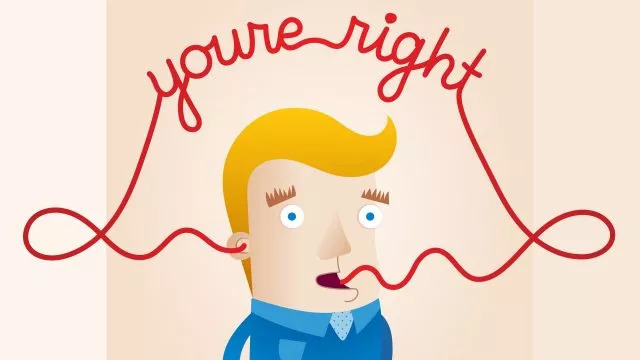
Social media has heavily limited our exposure to diverse perspectives and has, infact, favoured reinforcing similar narratives. It has increased the chance of people encountering information or opinions that reflect their own, thereby creating an ‘echo chamber’. This insulates them from any rebuttal, and reinforces confirmation bias, an innate tendency to seek and process information with pre-existing beliefs. This environment can not only distort a person’s perspective, making it difficult for them to discuss and understand complex social topics, but also create misinformation. Rapidly.
Almost anyone on the internet can find people who share the same opinions and interests, making online echo chambers an easy hole to fall into. There’s a reason for this. What is now called the ‘filter bubble’, created by algorithms to keep track of what you click on, shows you only what you want to see. So while you might have two sides to every story, this filter bubble doesn’t let one side know the other exists. While personalisation and curation of content sounds great, in actuality, it has a dangerous possibility of isolating you from information and perspectives different from yours, simply because you haven’t expressed or engaged with it previously. So in the battle of the two feeds, who wins? No one. Simply because a misinformed society is a harbinger for a bleak future.
Lest you forget the Arab Spring and the power of the internet, and ask why you should care about the filter bubble, – here’s why – because informed decisions are becoming a myth. While the internet can be used to support several social causes, it is also a dangerous political tool in the wrong hands. The filter bubble catalyses misinformation and misunderstandings between the general populace. It’s no doubt that most people get their information off social media, so we also cannot deny that opinions formed thereon can have a direct impact on how a large section of society will react to certain externalities. It constructs social perceptions on polarizing topics influencing policy making, political agendas and public debate.
Algorithms are omnipresent, so it’s almost impossible to escape it and the filter bubble is notoriously difficult to recognise because everything you say or do is being stored to create the perfect environment for you. Interacting with different people, practicing patience and checking multiple sources of information can help create a much more harmonious environment around you. Be mindful of what you consume, or it will consume you.
